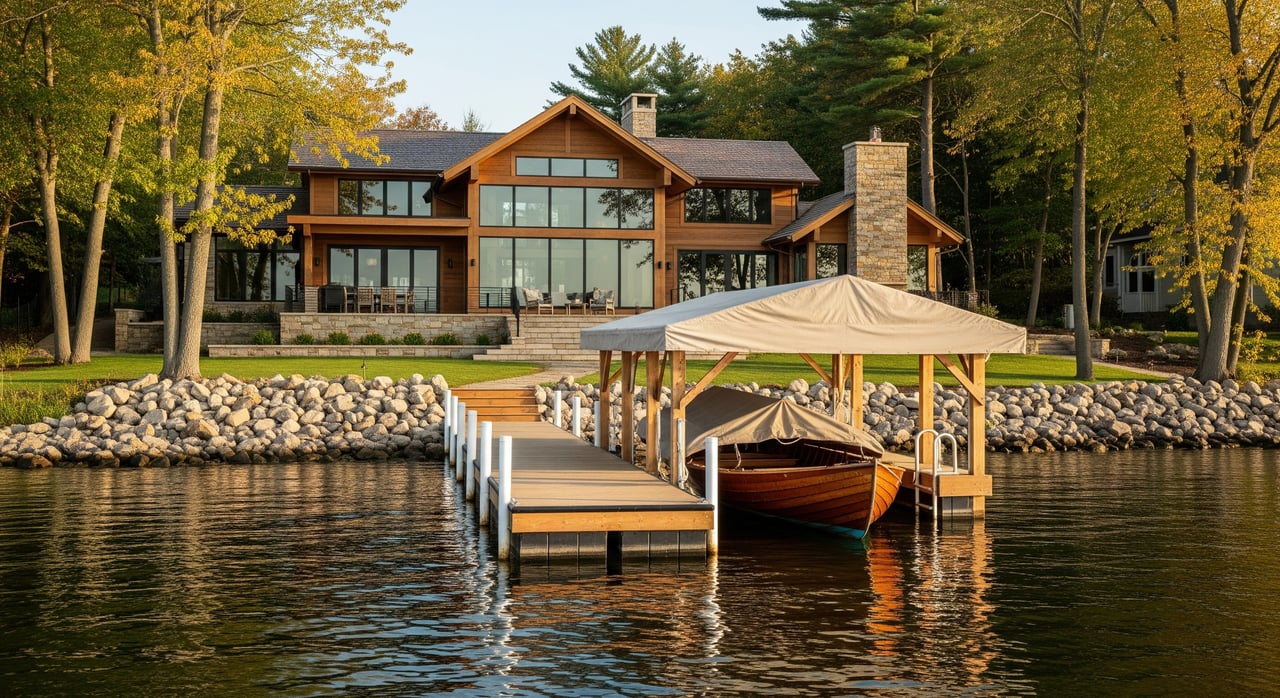
Picture your morning coffee with calm water views, a loon calling in the distance, and your boat tied up just steps away. If you are considering Lake Fenton in Fenton Township, you are likely asking what day‑to‑day life is really like and what to know before you buy. You want the fun without surprises on docks, permits, maintenance, or insurance. This guide gives you a clear, local view of waterfront living on Lake Fenton, plus practical steps to help you buy with confidence. Let’s dive in.
Lake Fenton at a glance
Lake Fenton sits in Fenton Township in Genesee County and supports a classic Michigan inland‑lake lifestyle. You will see a mix of full‑time residents and seasonal owners, with the nearby City of Fenton providing groceries, dining, services, and repair shops. The lake is used for powerboats and pontoons, quiet paddling, and fishing. In many winters, when ice forms safely, residents shift to ice fishing and snow season routines.
Water quality on inland lakes changes year to year with weather, runoff, septic performance, and aquatic plant activity. Before you buy, review recent lake management updates from local groups and state agencies. Shoreline and wetland work typically involves permits, so plan ahead and confirm rules with Fenton Township and state agencies.
If you plan to trailer a boat, you can review public launch options through the Michigan DNR’s harbors and launches page and confirm any fees or hours before you go. For rules on safe boating, check the state’s current guidance on Michigan DNR boating safety.
Seasons on the lake
Spring: Thaw, prep, and first casts
As ice recedes, you will see neighbors installing seasonal docks, checking pilings, and cleaning shoreline areas. Spring fishing starts to pick up. It is a good time to schedule septic inspections or maintenance and to book contractors for any shoreline stabilization projects you plan for the year.
Summer: Peak boating and social time
Warm days bring swimming off the dock, morning fishing, and late‑day cruises. Weekends and holidays are the busiest times on the water. Expect more boat traffic and livelier sound near popular coves. Weekdays often feel calmer. If you host guests, plan for parking and dock use so things run smoothly.
Fall: Quiet water and color
As water cools, boat traffic thins and fishing stays active. Many homeowners remove seasonal docks and lifts before freeze. Contractors book up quickly for fall shoreline work, so schedule early.
Winter: Ice season and cozy routines
When ice is safe, many residents enjoy ice fishing. Lakeside life moves indoors, and snow removal becomes part of the routine. Year‑round residents keep a close eye on heating, water lines, and winterizing equipment, while some seasonal owners close up until spring.
Waterfront vs. lake‑access lots
Waterfront (riparian) lots
- Pros: Immediate water access, private dock potential, and sunrise or sunset views. You can enjoy the lake before work or after dinner without loading the car.
- Cons: Higher purchase price and taxes, more upkeep for docks and shoreline, and potential for less privacy on busy summer days. You may also face more permit steps for shoreline changes.
Key checks for waterfront buyers:
- Confirm riparian rights in the deed. Ask your title company and agent to review docking and mooring rights.
- Inspect shoreline structures. Note the condition of seawalls, riprap, retaining walls, and who installed them.
- Study traffic patterns. Look at nearby docks, no‑wake areas, and common routes to understand privacy and safety.
- Look for erosion or wetland indicators. Plan for any stabilization or native plant buffer you may need.
Lake‑access or association lots
- Pros: Lower purchase price and less shoreline maintenance. You still get on the water through an association or shared access.
- Cons: Less convenience and control. You may need to carry gear to access points, follow shared dock schedules, and manage guest use under association rules.
Key checks for access‑lot buyers:
- Understand the access. Is it public launch access or a private association beach with rules, dues, and assigned slips?
- Check parking and distance. Make sure the route to the water fits your day‑to‑day plans.
- Ask about dock scheduling. Find out if slips are assigned or first come, first served.
Docks, shoreline, and ongoing upkeep
Dock options to consider
Most Lake Fenton owners use seasonal, removable docks to avoid ice damage. Permanent piers and piling systems can be more durable, but they can also involve more permits and design review. Boat lifts add convenience for wake and pontoon boats, yet require care and occasional repair.
Permits and shoreline protection
Shoreline projects such as seawalls, riprap, fill, or dredging often require review by local and state agencies. Start with Fenton Township planning and building for local requirements, and review state permitting guidance with Michigan EGLE. If your site includes wetlands or you plan work below the ordinary high water mark, expect additional steps.
Naturalized shoreline buffers help reduce erosion and improve water quality. For best practices on native plantings and shoreline design, explore resources from Michigan Sea Grant and MSU Extension.
Utilities and septic care
If the property uses a private well and septic system, plan for regular pump‑outs and inspections. Frequency varies with household size and usage pattern. Ask for service records during your inspection period and budget for ongoing care. The Genesee County Health Department can advise on local standards for septic and wells.
Budgeting for maintenance
- Annual: Dock install and removal, hardware checks, stain or finish, landscape care, and basic shoreline maintenance.
- Periodic: Shoreline stabilization, lift repair, occasional dredging of small boat wells, and septic pump‑outs.
- Seasonal: Winterizing boats and water lines, managing ice and snow loads near the shore.
Your costs will depend on the property’s shoreline design, dock type, and how you use the lake. Ask sellers for contractor contacts and recent invoices to set a realistic budget.
Rules, safety, and lake stewardship
Boating basics
Michigan requires life jackets on board, proper navigation lights after dark, and compliance with age and education rules for operators. Always check current requirements on Michigan DNR boating safety and follow posted no‑wake zones and swim areas.
Stop aquatic invasive species
Protect Lake Fenton by cleaning gear and boats. Standard steps are to drain bilges and live wells, remove all plant fragments, and wash boats and trailers before moving between waters. For current guidance, visit the state’s Michigan Invasive Species site.
Insurance and flood awareness
Waterfront policies can be higher due to ice, wave, and seawall risk. Flood insurance is a separate policy and is typically required only if a lender identifies risk in a mapped floodplain. Order a flood determination and review FEMA’s Flood Map Service Center for your address.
Permits and who to call
- Local: Fenton Township and Genesee County for zoning, building, and dock or shoreland questions. Start with township offices and the county’s main site at Genesee County.
- State: EGLE permits for shoreline and wetland activities, and the DNR for boating regulations and public access information. You can search launch information on the DNR’s harbors and boat launches page.
- Education: Michigan Sea Grant and MSU Extension for best practices on shoreline stewardship and septic care.
Daily life and nearby amenities
Lake Fenton living blends relaxation with convenience. You get quick access to the water plus nearby shopping, dining, and services in the City of Fenton and surrounding communities. Many residents commute to regional job centers and enjoy easy weekend recreation without leaving town. The social scene peaks in summer with dockside gatherings, neighborhood cookouts, and volunteer lake association events.
Common neighbor topics include guest parking, quiet hours, and shared access etiquette. If there is an active lake association, attend a meeting to learn local rhythms, weed treatment schedules, and any special assessments.
Practical buyer checklist
Use this simple plan to move from browsing to confident purchase.
- See the lake in all seasons. Visit on a summer weekend and a quieter weekday, and stop by in fall or winter if you plan year‑round use.
- Verify riparian rights. Ask for the deed, legal description, and any easements that affect docking or access.
- Review association rules. Request HOA or lake association bylaws, access rules, weed treatment history, and any special assessments.
- Inspect systems. Order a septic inspection and well water test if applicable, and request service records.
- Confirm shoreline work. Ask for permits and invoices for seawalls, riprap, dredging, or dock installations.
- Check permits and setbacks. Contact Fenton Township and Genesee County for current zoning, shoreland setbacks, and building requirements.
- Review flood risk. Pull a flood map and lender determination through the FEMA Flood Map Service Center.
- Get quotes. Price insurance, dock install and storage, boat lift service, and snow removal.
- Talk to neighbors. Learn about parking norms, quiet times, and how dock sharing or guest use is managed.
- Work with a local expert. Lake Fenton values and rules are hyperlocal. Partner with an agent who knows this shoreline and its micro‑markets.
Ready to explore Lake Fenton homes?
If waterfront life is calling, you deserve clear guidance, local context, and a plan that fits your goals. As a boutique, owner‑led brokerage based in downtown Fenton, we pair hands‑on advice with premium marketing to help you buy with confidence. Reach out to C2C Real Estate to talk through your wish list, compare waterfront versus access‑lot options, and tour the right homes. Get Access to Our Private Listings.
FAQs
What is summer boating like on Lake Fenton?
- Expect active weekends with pontoons and wake sports, quieter weekdays, and early‑morning or evening windows that suit fishing and calm cruising.
What permits do I need to install a dock or seawall?
- Start with Fenton Township and Genesee County for local rules, then review state requirements with Michigan EGLE permits for any shoreline or wetland activities.
Do Lake Fenton homes require flood insurance?
- Flood insurance is separate from homeowners insurance and is typically required only if a lender identifies mapped flood risk; check your address on the FEMA Flood Map Service Center.
How do lake‑access lots work near Lake Fenton?
- Access lots usually rely on an association beach or launch with rules for parking, guest use, and dock scheduling; review documents and walk the route to the water before you buy.
How should I prevent invasive species when boating here?
- Clean, drain, and dry boats and trailers before moving between waters and remove any plant fragments; see the state’s Michigan Invasive Species guidance for steps.
Where can I find official boating rules and launch information?
- Review Michigan DNR boating safety and check the DNR’s harbors and boat launches page for access details and updates.