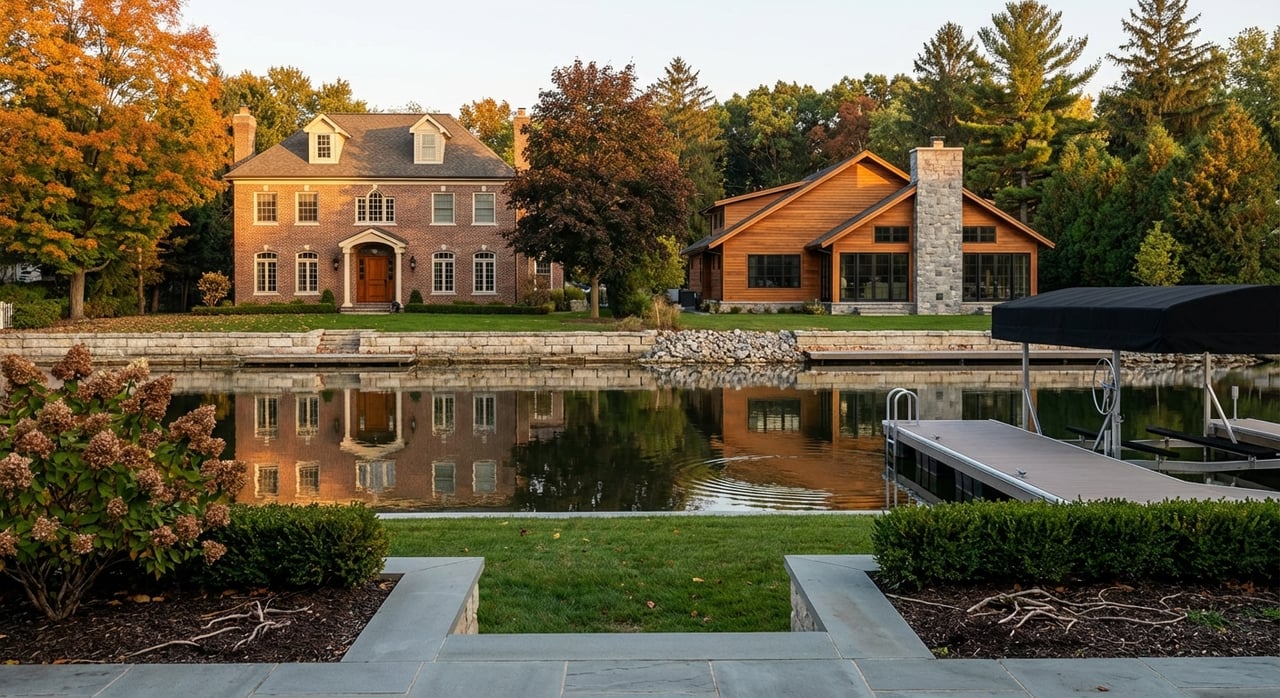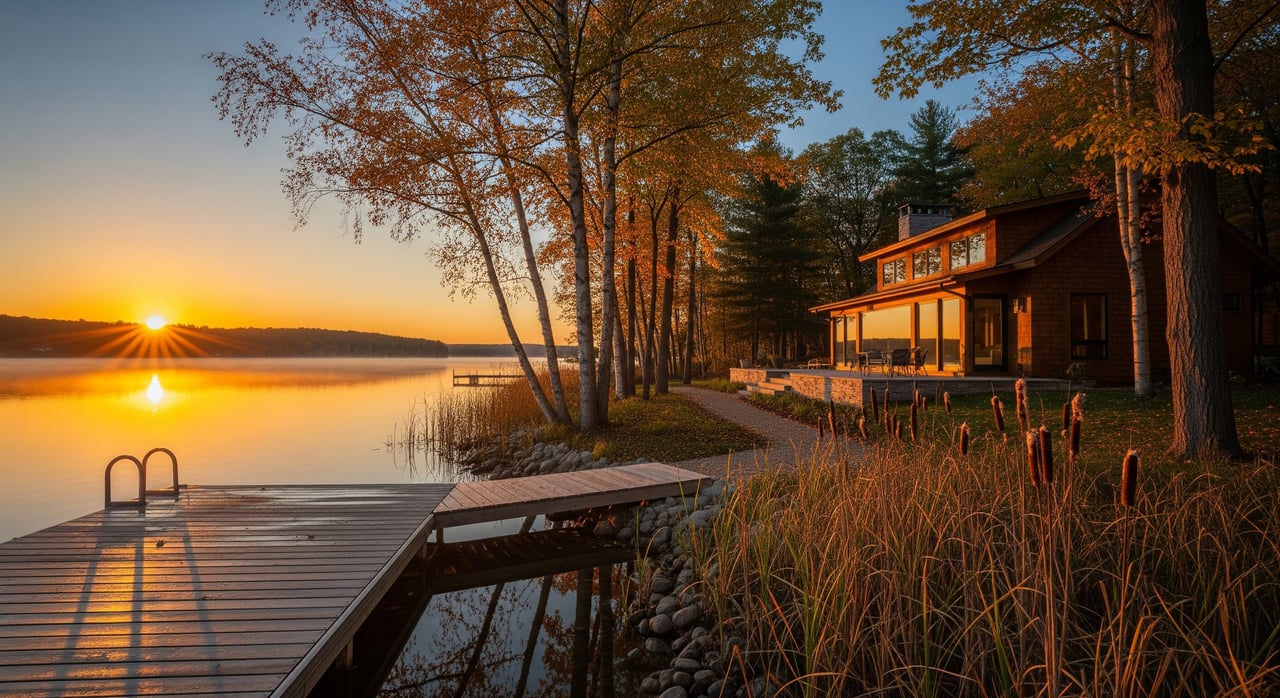
Love the idea of living by the lake in Argentine Township but not sure whether to focus on true waterfront, canal-front, or a home with a deeded access lot? You want the right mix of lifestyle, cost, and long-term value without surprises after closing. In this guide, you’ll learn how each option works in Genesee County, what it typically costs to own, and the due diligence steps that protect your purchase. Let’s dive in.
Waterfront basics in Argentine Township
Understanding how properties connect to the water helps you compare apples to apples.
True lakefront (riparian)
- Physical: Your lot directly touches the shoreline. You often get immediate access for swimming and a private dock, plus open views.
- Legal: You may have riparian rights as defined by your deed and state law. Dock placement, vegetation removal, and boat mooring depend on your deed, township rules, and state permitting.
Canal-front
- Physical: Your property fronts a canal connected to a larger lake or river. Canal depth, width, and shape vary by location.
- Legal/functional: You can often access the main water if the canal is navigable. There may be limits on dock size or placement, and shared canal maintenance may apply.
Deeded access (access lot)
- Physical: Your home is off the water, but your deed or association grants you the right to use a separate access parcel or launch.
- Legal: Access can be exclusive to your lot or shared through an HOA or recorded easement. Rights and use rules live in the deed, plat, or association documents.
Public access nearby
- Nearby launches or parks can increase parking and boat traffic. They can also influence neighborhood privacy and on-water activity.
How costs and value compare
In most markets, direct waterfront commands the highest purchase price, followed by canal-front, then deeded access. Local demand, lake size, water quality, and inventory in Argentine Township can shift that premium. For a firm valuation, you’ll want recent waterfront comparables from the local MLS.
Factors that most affect value and your day-to-day experience include:
- Water quality and clarity
- Lake size and type, and whether a canal connects to larger waters
- Depth at the dock and seasonal water levels
- Privacy, lot orientation, and shoreline slope
- Public access nearby and related traffic
- Regulatory limits on docks or shoreline work
- Ongoing costs like assessments, maintenance, and insurance
Ongoing costs to budget
- Dock install/removal and repairs
- Shoreline stabilization, seawalls, or riprap if erosion is present
- Weed and algae management, including possible lake association assessments
- Insurance, including potential flood coverage depending on FEMA maps
- Septic system testing, pumping, repairs, or replacement; well testing
- HOA or association dues for access lots and shared docks
- Property taxes and any special lake improvement assessments
For accurate numbers, request recent invoices from sellers and quotes from local contractors.
Which option fits your lifestyle?
Each property type delivers a different balance of access, privacy, and cost.
True lakefront
Pros
- Immediate shoreline access, best views, and most flexibility for a private dock or beach
- Strong appeal for daily lake use and potential resale strength
- Easy to observe your shoreline conditions
Cons
- Highest purchase price and often higher taxes and insurance
- Full responsibility for shoreline maintenance and dock care
- More complex permitting and environmental rules
Canal-front
Pros
- Often more affordable than direct lakefront with boat access to larger water
- Sheltered water for kayaks or smaller boats
Cons
- Depth and width can limit larger boats; seasonal variations can affect access
- Potential shared canal maintenance and boat traffic
- Possible restrictions on dock size or placement
Deeded access (access lot)
Pros
- Lower purchase price with recreational access to the lake
- Less direct responsibility for shoreline care
- Good fit if you plan occasional boating or summer use
Cons
- Access can be limited by distance, parking, or shared use
- Rights depend on exact deed or HOA language
- Less suited for a private dock lifestyle; resale demand may be narrower
Location-specific checks in Genesee County
Buying near the water means confirming rules and infrastructure early.
- State oversight: The Michigan Department of Environment, Great Lakes, and Energy (EGLE) regulates many shoreline activities, including docks, seawalls, and shoreline disturbance. Permits are often required.
- Boating and invasive species: The Michigan Department of Natural Resources (MDNR) sets boating rules and offers guidance on invasive species and decontamination.
- Septic and wells: The Genesee County Health Department and township offices handle septic permits and well records. Water potability and well yield testing are important.
- Flood and wetlands: FEMA flood maps and county GIS data help identify flood zones and regulated wetlands that affect insurance and building options.
- Local government: Argentine Township handles zoning, building permits, setbacks, and local ordinances, including possible dock rules.
- Lake associations: Many lakes have associations or improvement boards that manage weed control and lake health and can levy assessments or set use rules.
Recommended contacts: Argentine Township Clerk/Assessor/Building Dept., Genesee County Health Department, Genesee County GIS/Property Search, EGLE, MDNR, FEMA Flood Map Service Center, a local title company, a Michigan real estate attorney with riparian experience, and local lake associations.
Due diligence checklist
Use this checklist to stay organized from showing through title review.
On-site and showing questions
- Property lines and water: Ask for a recent survey showing lot lines and the ordinary high-water mark.
- Shoreline type and condition: Note natural shore, riprap, seawalls, slope, erosion, and access paths.
- Dock condition and permits: Confirm ownership, condition, and any permits or approvals.
- Water depth and usability: Ask for measured depth at shore and seasonal variations.
- Deeded access specifics: Location, distance from the home, parking, exclusivity, and any restrictions.
- Boating rules: Confirm no-wake zones, speed limits, quiet hours, and canal navigability.
- Systems: Septic location/age/permits; well age, yield, and water quality results; electrical service to docks, if any.
- Seasonal realities: Dock removal practices, ice conditions, snow access for year-round living.
- Water quality history: Weed growth, algae blooms, or advisories in recent years.
- Insurance and safety: Past flooding or shoreline damage, known submerged hazards.
Documents to request
- Deed and legal description showing riparian rights or recorded access easements
- Recent boundary survey or updated plat showing shoreline and easements
- HOA or lake association bylaws, covenants, rules, meeting minutes, and assessment history
- Permits and construction records for docks, seawalls, or shoreline work
- Current tax bill and any special lake improvement assessments
- Seller disclosures and insurance claim history
- Environmental and water quality records if available
Questions for title company or attorney
- Where does private title end relative to the high-water mark?
- Are deeded access rights clearly described and enforceable? What about parking and seasonal use?
- If using a shared dock, who is liable and how is maintenance handled?
- Are there unrecorded agreements about docks or access?
- Any liens or special assessments tied to the property or lake association?
Questions for HOA or lake association
- Who owns and maintains the access lot and docks?
- Annual dues amount and what they cover (weed control, dredging, insurance, dock repairs)
- Recent or planned special assessments
- Rules for dock placement, boat size, guest use, and rentals
- Lake management plans for weeds, phosphorus, and invasive species
Practical verification
- Order a local CMA with waterfront and access-lot comparables from the last 12–24 months
- Collect seller invoices for shoreline work, dock service, septic pumping, and weed treatments
- Order a title commitment early to surface easements and assessments
- Consider a boundary survey contingency in your offer
- Hire a home inspector with waterfront experience, plus a dock/shoreline specialist
- Test well water and schedule a septic inspection or pump and dye test if possible
Tips for lake-curious buyers in Argentine
- Prioritize lifestyle vs. price: If daily water access and privacy matter most, true lakefront may be worth the premium. For occasional boating, deeded access can be a smart compromise.
- Budget realistically: Plan for docks, seasonal removal, shoreline stabilization, and possible permits.
- Verify navigability: On canal-front homes, confirm depth and clearance if you own a larger boat.
- Think year-round: Check winter access, plowing, and lake freeze patterns.
- Engage early: Talk with local agents who regularly handle Genesee County waterfront, and connect with lake associations before you write an offer.
Next steps
If you want a clear, local view of true waterfront, canal-front, and access-lot options around Argentine Township, you deserve guidance from a boutique team that lives and works this market. We’ll help you narrow lakes, compare recent comps, and confirm the rights and rules behind each property, so you buy with confidence.
Ready to explore the right lake lifestyle for you? Connect with C2C Real Estate for tailored advice and access to select private listings.
FAQs
What is the difference between riparian waterfront and deeded lake access in Argentine Township?
- Riparian lots touch the shoreline and may include specific riparian rights outlined in the deed and local rules, while deeded access homes are off the water but hold recorded rights to use a separate access parcel or launch.
Are docks allowed on Argentine-area lakes, and what permits are needed?
- Many docks are allowed, but placement and size can be regulated; significant dock or shoreline work may require state permits and township approvals, so you should verify with EGLE and Argentine Township before proceeding.
How do canal-front properties affect boat size and navigability near Argentine?
- Canal depth, width, and seasonal levels vary; bridges or narrow channels can limit larger boats, so confirm navigability and clearances during due diligence.
Do I need flood insurance for a waterfront home in Genesee County?
- Requirements depend on FEMA flood zone designation and lender policies; check FEMA maps for the parcel and ask your insurer about recommended coverage even if it is not required.
What should I ask a lake association before buying near a Genesee County lake?
- Ask about ownership and maintenance of access lots and docks, annual dues, recent or planned special assessments, rules for boats and guest use, and lake management plans for weeds and invasive species.