Thinking about selling your lake home in Argentine Township? You are not just putting a house on the market. You are selling water access, shoreline condition, seasonal use, and the day-to-day lake experience that buyers picture long before they schedule a showing. If you want to attract the right buyer and avoid preventable surprises, it helps to prepare the home, the property details, and the paperwork early. Let’s dive in.
Why lake homes need a different plan
A lake property in Argentine Township is not marketed the same way as a home in a typical subdivision. Buyers often focus just as much on the water, dock setup, shoreline, and access rights as they do on the kitchen or primary suite.
That matters in a township with several inland lakes in and around the area, including Lobdell, Softwater, Silver, McCaslin, Tupper, Pine, Byram, Bass, and Murray. In a mostly owner-occupied community like Argentine Township, where the Census Bureau estimates a 93.7% owner-occupied housing rate, buyers are often looking closely at how the property functions for long-term or seasonal living.
Be clear about the property type
One of the first steps is confirming exactly what you are selling. Is your home true waterfront, lake-access, or lake-view only? Those descriptions are not interchangeable, and buyers will notice the difference right away.
If the property touches a natural inland lake, Michigan treats the shoreline owner as a riparian owner, with rights that can include access, dockage, and water use. At the same time, those rights are still shaped by public trust principles and permit rules for certain shoreline and bottomland work.
Lake rules can vary by location
Not every lake in Argentine Township works the same way. For example, Softwater Lake is restricted to electric motors, which can affect what buyers expect from boating and recreation.
On the Lobdell chain, the Argentine/Wolcott Dam helps maintain water levels for Lobdell, Bennett, Clough, and Hoisington. If your property is on or connected to that chain, buyers may want to understand how that influences seasonal water conditions and use.
When to list a lake home
Spring is often the strongest general selling season. Recent housing research points to late April as a strong time to sell, with a broader window from late March through mid-May also standing out.
For lake homes, timing is even more specific. You want buyers to experience the property when the water, shoreline, and outdoor spaces are easy to understand in person.
Aim to be ready before peak spring demand
That means your prep work should happen before the main spring rush. If you use a seasonal dock, boat hoist, or swim raft, it helps to plan ahead so the property can be photographed and shown in its best usable condition.
A strong lake-home launch often includes shoreline cleanup, trimmed access paths, tidy outdoor seating areas, and a clear visual connection from the house to the water. Buyers should be able to imagine how they would use the property the moment they see the photos.
Gather well and septic records early
Many lake homes rely on private systems, and buyers often ask about them early in the process. In Genesee County, the health department handles soil evaluations, mortgage evaluations, septic permitting, well permitting, and water testing through its environmental health program.
Instead of waiting for a buyer inspection, gather your records before listing. That can help you answer questions faster and reduce stress during negotiations.
What buyers may want to know
Lake buyers often ask about:
- well permit records
- septic permit history
- pumping and maintenance history
- water testing records
- any past mortgage evaluation documentation
This matters even more near inland lakes. State guidance notes that private well testing is the owner’s responsibility, and many contaminants have no taste, color, or smell. State guidance also notes that failing septic systems are often a source of pollution.
Distance and system condition matter
Michigan guidance says the minimum isolation distance between a single-family private well and a septic system is 50 feet. If your property has older systems, unusual placement, or limited lot size near the water, buyers may pay close attention to that context.
You do not need to guess what a buyer might ask. If you can provide organized records upfront, you make the home easier to understand and easier to trust.
Review shoreline condition before listing
With a lake home, the shoreline is part of the product. Buyers will notice erosion, exposed soil, damaged retaining features, overgrown access points, and unclear paths to the water.
Michigan inland-lake guidance notes that lakefront development can contribute to eroding shorelands, increased nutrients, and reduced aquatic habitat. It also explains that natural shoreline practices can help reduce erosion pressure and runoff.
Natural shoreline can be a selling point
A more natural water edge is not automatically a negative. In some cases, it can be presented as a thoughtful stewardship choice that supports shoreline stability and lower runoff.
The key is making it look intentional and well maintained. Clean edges, managed vegetation, and a safe, visible route to the water can help buyers see the value.
Document any shoreline work
If you have completed seawall work, vegetation clearing, dredging, fill work, or other shoreline changes, gather the paperwork before you list. Permits, contractor invoices, and work descriptions can help answer buyer concerns quickly.
That is especially important because permanent docks, boat hoists, shoreline protection, dredging, filling, and other land-and-water interface work can require review or permits. Local protections can also add another layer beyond state rules.
Check docks and lake structures
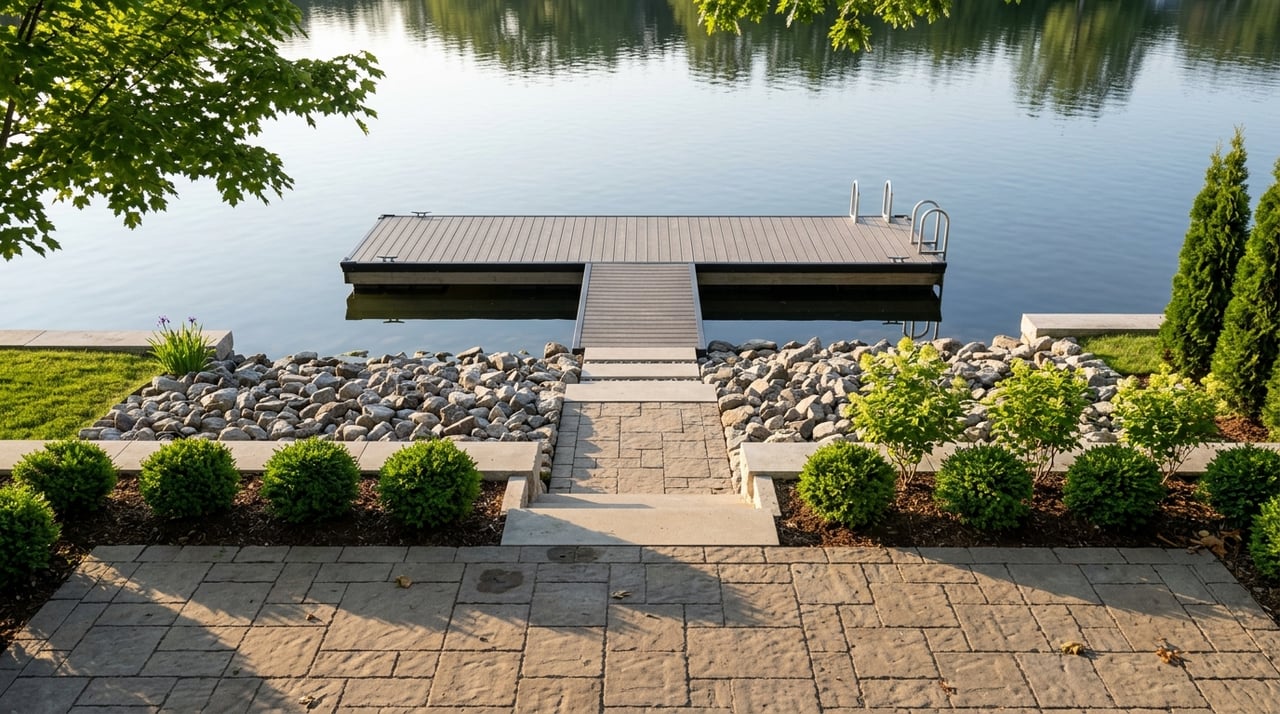
Docks and related structures are often a major part of the buyer’s first impression. If your setup is seasonal, make sure it is installed, clean, and safe before photography if timing allows.
Seasonal private noncommercial docks, boat hoists, and swim rafts are often exempt from permits if they meet the rules and are removed at the end of the season. Permanent structures are different, so accuracy matters when you describe what stays and how it is used.
Avoid overpromising
If a buyer asks whether they can move, replace, or expand a dock, the honest answer may be that it depends. Some changes may require EGLE review, and the answer can also depend on whether wetlands or other local protections are involved.
That is why your listing should describe the current setup clearly, without making assumptions about future modifications. Clear details build credibility and help attract serious buyers.
Prepare your disclosures carefully
Michigan’s Seller Disclosure Act requires a written Seller’s Disclosure Statement for most residential sales before a binding purchase agreement is signed. If disclosure is late, a buyer may have the right to terminate.
For a lake home, this document becomes even more important because the property often includes more moving parts than a standard residential lot. Water systems, septic, shoreline work, and access details can all lead to follow-up questions.
Start disclosure prep early
It helps to review your records before your home goes live. That includes:
- well and septic documents
- shoreline permits or repair invoices
- dock or hoist details
- known drainage or erosion issues
- any seasonal limitations that affect use
Early preparation gives you time to fill in gaps instead of scrambling after an offer comes in.
Use better photos and better listing language
A lake buyer wants to understand how the property lives, not just how the house looks. Photos should tell the full story from the front entry to the water’s edge.
That means your marketing should show the path from the house to the lake, the shoreline condition, any stairs or beach area, the dock or hoist setup, outdoor seating spaces, and the water view from inside the home.
What your photos should show
Your listing photos should help buyers answer practical questions before they visit. Good lake-home photography often includes:
- the route from yard to shoreline
- the dock, hoist, or swim area
- the transition from lawn to water
- seating or entertaining areas near the lake
- views from main living spaces
- the shoreline itself, not just the lake beyond it
If your home has a more natural shoreline, that should be framed as a feature with purpose, not as an afterthought.
Use precise words in the listing
The written description should be just as clear as the photos. Terms like waterfront, lake-access, deeded access, seasonal dock, electric-motor lake, and private well/septic each tell buyers something important.
Specificity matters because buyers are trying to understand what rights transfer, how the lake is used, and what the ownership experience may look like throughout the year. Generic lake language can create confusion and weaken trust.
Why local guidance matters in Argentine Township
Lake homes in Argentine Township come with details that are easy to miss if you use a one-size-fits-all selling plan. Local lake rules, dam-managed water conditions, private systems, shoreline regulations, and access language can all affect how buyers view the property.
That is where local experience becomes valuable. A thoughtful plan can help you present the property accurately, answer buyer questions with confidence, and highlight the features that matter most.
When you prepare early and market with precision, you give your home a better chance to stand out for the right reasons.
If you are getting ready to sell and want owner-led guidance with strong local marketing, connect with C2C Real Estate for a strategy built around your property, your lake, and your timeline.
FAQs
What makes selling a lake home in Argentine Township different from selling a regular home?
- A lake home sale often depends on more than the house itself, including water access, shoreline condition, dock setup, private well or septic systems, and lake-specific rules.
What should I disclose when selling a lakefront home in Argentine Township?
- You should prepare the Michigan Seller’s Disclosure Statement and be ready to share known details about wells, septic, shoreline work, drainage, docks, and other property conditions before a binding purchase agreement is signed.
Do I need well and septic records to sell a lake home in Genesee County?
- Buyers commonly ask for them, and Genesee County handles well permitting, septic permitting, mortgage evaluations, soil evaluations, and water testing through its environmental health program.
Can I advertise my Argentine Township property as waterfront?
- You should use precise language and confirm whether the property is true waterfront, lake-access, or lake-view only, because those terms describe different ownership and use situations.
Do dock and shoreline improvements matter when selling a lake home in Argentine Township?
- Yes, because buyers often focus on shoreline usability and structures, and some permanent improvements may require permits or documentation.
Does the specific lake in Argentine Township affect buyer interest?
- Yes, because details like electric-motor-only rules on Softwater Lake or dam-managed water levels on the Lobdell chain can shape how buyers expect to use the property.