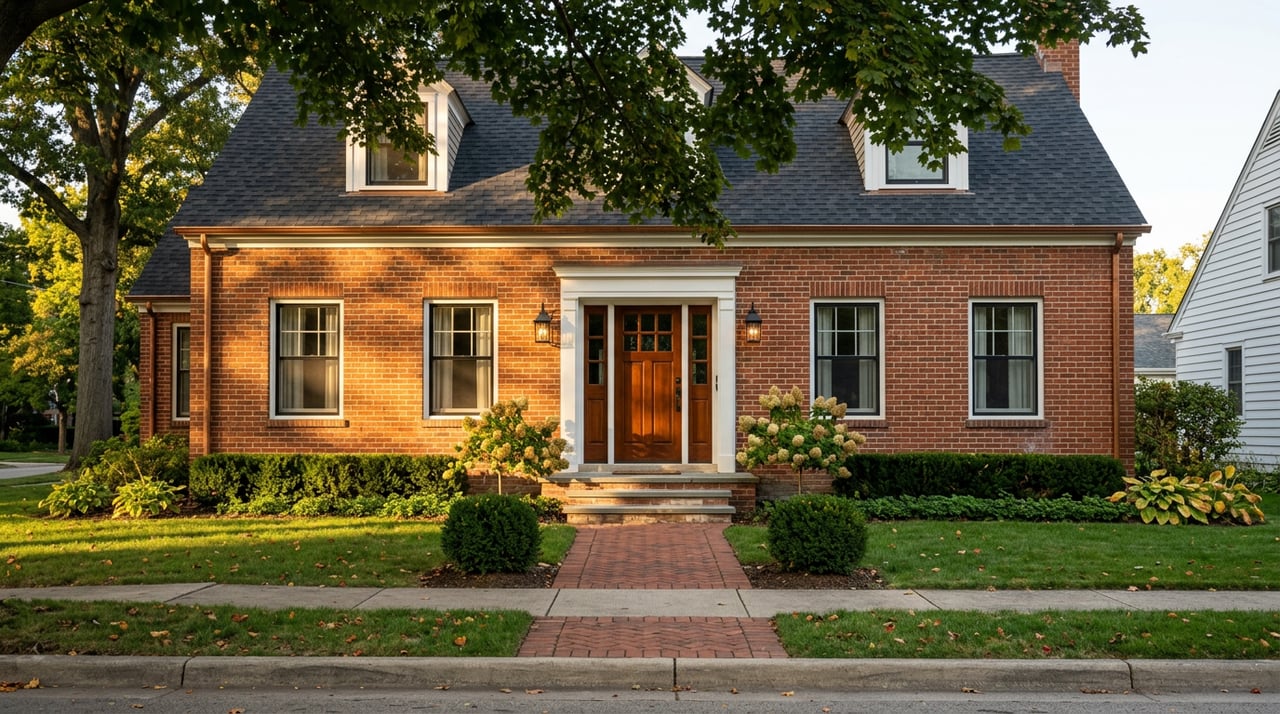
What draws you to Holly might be the same thing that has pulled people here for more than a century: brick storefronts with ornate cornices, narrow side streets buzzing during festivals, and porches that feel like they have stories to tell. If you love character homes and a walkable small-town core, you will feel at home fast. In this guide, you will learn where to find historic charm, how to recognize common styles, and what to know before you buy or sell an older house in Holly. You will also find resources and incentives that can help you preserve the details you love while planning smart updates. Let’s dive in.
A short walk through Holly’s past
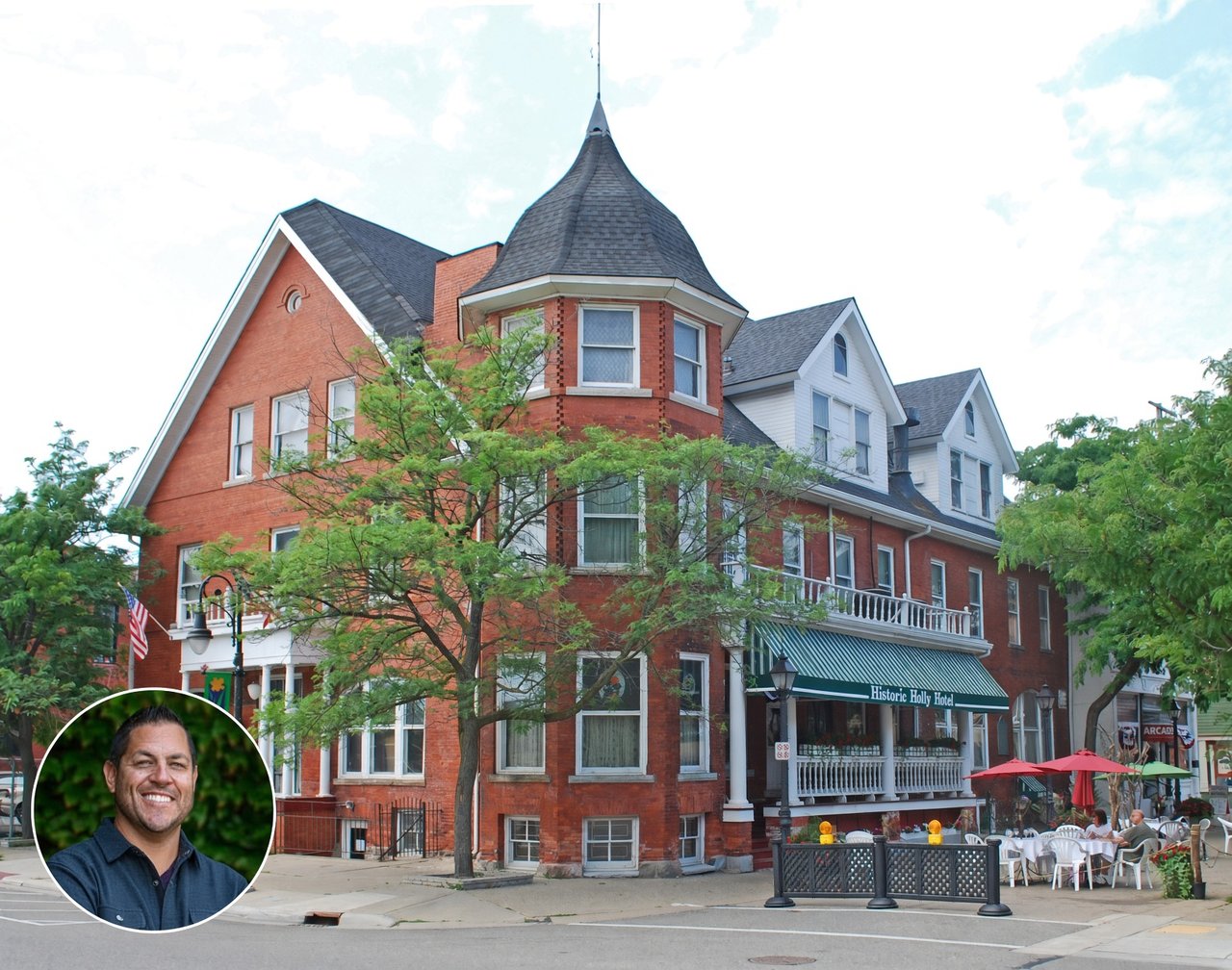
Start on Saginaw Street and slip into Battle Alley. Much of this compact core was rebuilt after major fires in the late 1800s, which is why you see so many brick buildings with Late Victorian and Classical Revival details. The area is recognized as the NRHP-listed Downtown Holly Commercial District, and it is the visual anchor for life in the village. The corner-tower Hirst, also known as the Holly Hotel, and civic buildings add to the sense of time and place that draws visitors and residents.
The Union Depot connection
Railroads shaped Holly’s growth, and you can still read that story at the Holly Union Depot. Built in 1885–86, the depot illustrates Holly’s role as a junction town and a fine example of a small Late Victorian station. It has been the focus of a community restoration effort that keeps the transportation history tied to today’s streetscape.
A house museum as a style lesson
To see mid-19th-century domestic design up close, tour the Hadley House Museum. Its Italianate brackets, tall narrow windows, and symmetrical facade show the elegance that first took root in Holly’s residential streets. The Holly Historical Society also offers a walking tour booklet that highlights older homes throughout the village, which is a great way to connect styles to specific blocks.
Historic home styles you will see
Italianate
Popular from the 1850s through the 1870s, Italianate homes feature low-pitched roofs, pronounced bracketed eaves, and tall, narrow windows. The Hadley House is a textbook local example, and you will see similar brackets and window proportions on other 19th-century houses around the village.
Queen Anne and Late Victorian
From about 1880 to 1910, Queen Anne forms introduced asymmetry, wraparound porches, decorative trim, and occasional towers. Downtown civic and commercial buildings from this era add to the neighborhood’s visual rhythm. In nearby residential streets, look for wood shingles in the gables, turned porch posts, and a lively mix of window sizes.
Craftsman, Bungalow, and Foursquare
Early 20th-century homes often take simpler, sturdier forms. Craftsman bungalows show exposed rafter tails, wide front porches, and tapered columns. American Foursquares read as boxy two-story homes with centered dormers and practical floor plans that still feel flexible for modern life.
Classical Revival storefronts
While not residential, Classical Revival elements on banks and storefronts along Saginaw Street and Battle Alley add to the overall feel. Stone detailing, pilasters, and more formal symmetry contrast with the playful Victorian ornament and help tell the story of a maturing Main Street.
Buying an older home in Holly
Historic homes reward you with craftsmanship and character, but they also ask for steady care. A thorough inspection by a pro who knows older buildings is essential. Use this quick checklist as you walk through:
- Electrical: look for knob-and-tube wiring, panel capacity, and grounded outlets.
- Foundation and masonry: check for step cracks, mortar loss, and moisture at the base of walls.
- Roof and drainage: inspect shingles, flashing, gutters, and how water moves away from the house.
- Porches and stairs: probe for soft spots at posts, rails, and deck edges.
- Windows: note sash condition, glass, and whether storms are in place.
- Interior walls and ceilings: watch for plaster cracks, bulges, or signs of past leaks.
- Attic and basement: look for ventilation, insulation, and evidence of pests or water.
Insurers and lenders often flag older wiring and atypical systems as part of underwriting, so expect questions if you see knob-and-tube. The Washington Post explains how insurers view historic systems, which can help you plan upgrades and timing.
Keep history, plan smart updates
You do not have to sacrifice charm to gain comfort. In many cases, it is more effective to repair and tighten original wood windows and add storms than to replace them outright. Lath-and-plaster walls are part of the home’s fabric and can usually be repaired by skilled trades. When repainting or disturbing old finishes, assume there may be lead-based paint and follow lead-safe work practices.
Wiring, insulation, and moisture basics
Respect how older homes manage air and water before you add modern layers. Balloon framing in 19th-century houses can affect fire blocking and how you route new services, so get advice on balloon framing before cutting or insulating. For efficiency, start with air sealing at the attic and improving roof and wall drainage. The EPA outlines how to approach energy upgrades in older houses without trapping moisture where it does not belong.
Selling a character home
If you are preparing to sell, lead with the features buyers love: original millwork, porch detail, tall windows, and a walk-to-downtown location. A pre-listing check by an inspector who knows older homes helps you anticipate common questions and reduce surprises. Tidy up exterior paint, fix porch steps and handrails, and showcase rooms with good natural light. Clear, accurate language about updates and preserved features will build buyer trust.
At C2C, we pair hands-on guidance with premium marketing so your home’s story reaches serious buyers. Thoughtful photography and well-structured listing copy matter even more with historic details because buyers want to see the craft up close.
Incentives and preservation programs
If you own a qualifying historic property, you may be able to offset part of your rehab costs. Michigan’s State Historic Preservation Tax Credit program includes owner-occupied residential and commercial categories with annual allocations and a multi-part approval process. Federal rehabilitation tax credits are also available for income-producing properties, such as mixed-use buildings. These programs come with timelines and standards, so connect with the State Historic Preservation Office before starting demolition or major work.
Where to live the Holly lifestyle
Holly’s appeal blends a vintage Main Street with easy access to trails, lakes, and wooded parks. The Holly Recreation Area offers campsites, beaches, hiking, and ORV options that shape weekend routines for many residents. If you want a small, walkable core and a tight village feel, Holly delivers that mix.
If you are comparing nearby towns, think about what matters most. Holly leans into historic charm and outdoor access. Fenton, a larger regional center, offers broader waterfront neighborhoods and a different lifestyle on its multiple lakes. Both are strong choices within northern Oakland and southern Genesee County, so your match comes down to daily rhythms and the kind of streets you want to call home.
How C2C Real Estate helps
You deserve local guidance that balances historic character with today’s needs. With deep ties across Fenton, Holly, and nearby communities, we help you identify the right streets, spot telltale details during showings, and plan smart improvements that protect value. Whether you are buying a first bungalow or selling a long-loved Victorian, we will tailor the process to fit your goals.
Ready to explore character homes around Holly or to position your property for the market with care and clarity? Connect with C2C Real Estate for hands-on guidance and premium presentation.
FAQs
Is Holly officially a historic district town?
- The downtown commercial core is listed on the National Register of Historic Places as the Downtown Holly Commercial District, and several individual buildings, including the Holly Union Depot, are recognized. Residential examples are found throughout the village but are documented mainly in local walking tours rather than one large residential district.
What historic styles are most common in Holly homes?
- You will often see Italianate houses with bracketed eaves, Queen Anne homes with porches and varied trim, and early 20th-century Craftsman, Bungalow, and American Foursquare forms on neighborhood streets.
What should buyers of older homes in Holly budget for?
- Beyond the purchase price, plan for a specialized old-house inspection and set aside a contingency, often 10 to 20 percent, for hidden issues. Typical costs include wiring and plumbing updates, porch or roof repairs, and masonry or foundation maintenance.
Do historic tax credits apply to my Holly property?
- Michigan offers a State Historic Preservation Tax Credit with owner-occupied and commercial categories, and federal credits exist for income-producing properties. Eligibility depends on property status, scope of work, and approvals completed before major construction.
How does Holly compare with nearby Fenton for lifestyle?
- Holly offers a small, walkable village core and strong access to parks and trails. Fenton is larger with more waterfront housing choices. Your best fit depends on whether you prioritize historic streets and festivals or a broader lake-focused lifestyle.